The Pillars of the Holy Roman Empire
The Holy Roman Empire was not only defined by its political structure, but also by the many facets of its internal life that shaped its enduring legacy. From the deeply rooted influence of the Church, to the distinct social hierarchy, and the military forces that maintained both internal stability and defended its borders, these elements were fundamental to the Empire’s character.
This page delves into the core aspects that defined life within the Empire—its religious influence, social classes, military organization, and cultural achievements. These characteristics reflect the complexity and diversity of the Empire, providing insight into how it maintained cohesion amidst constant political shifts and external challenges.
Religion in the Holy Roman Empire
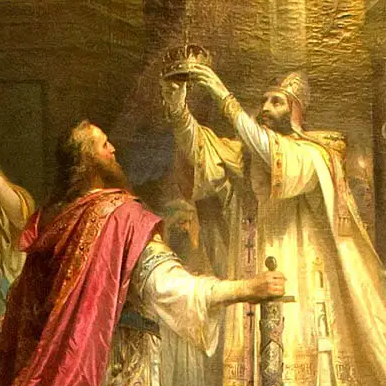
Religion was a defining aspect of the Holy Roman Empire, deeply tied to its governance and culture. The Empire saw itself as the protector of Christianity, particularly Catholicism, and its emperors were crowned by the Pope, emphasizing this sacred alliance. From its foundation, religion influenced the Empire's politics, with the Investiture Controversy in the 11th century marking a major conflict between papal authority and the Emperor’s power to appoint church officials.
However, religious unity crumbled with the Reformation in the 16th century, when Martin Luther’s challenge to Catholic doctrine spread across the German territories. The rise of Protestantism divided the Empire and led to the devastating Thirty Years’ War (1618–1648), after which the Empire became a patchwork of both Catholic and Protestant states.
Impact of the Reformation
The Reformation ignited major political and religious shifts within the Empire. Martin Luther’s actions led to the formation of Protestant states, challenging the dominance of Catholicism. This divide weakened the Emperor’s control, as many princes embraced Lutheranism or other reformist sects, asserting their independence from the Catholic Church. The resulting religious wars severely weakened the Empire’s unity and authority.Society and Culture in the Holy Roman Empire
The Holy Roman Empire was highly diverse, both ethnically and socially. At its peak, it included Germans, Italians, Czechs, and others, with varying languages, traditions, and laws. Society was strictly hierarchical, with the Emperor and nobility at the top, while the vast majority of the population consisted of peasants working on estates.
Urban areas, like Nuremberg and Cologne, developed into important trade and cultural centers, although the majority of the population lived in rural communities. Education, art, and architecture flourished during periods of stability, especially in the late medieval period and the Renaissance, which brought about a rebirth of scholarly and artistic activity.

Cultural Renaissance
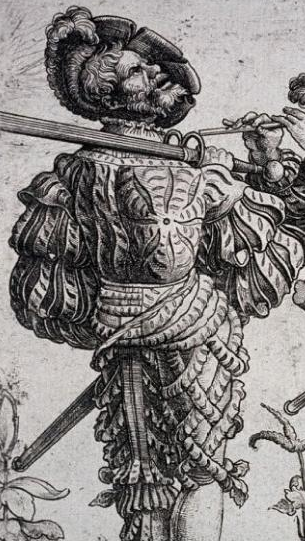
The Renaissance had a profound impact on the Empire. Artists like Albrecht Dürer and intellectuals such as Johannes Gutenberg, whose invention of the printing press revolutionized knowledge, helped transform culture. Universities were established, and scientific inquiry began to challenge the medieval worldview, contributing to the intellectual climate that later influenced the Reformation.Song Of The Landsknechts
Military and Warfare in the Holy Roman Empire
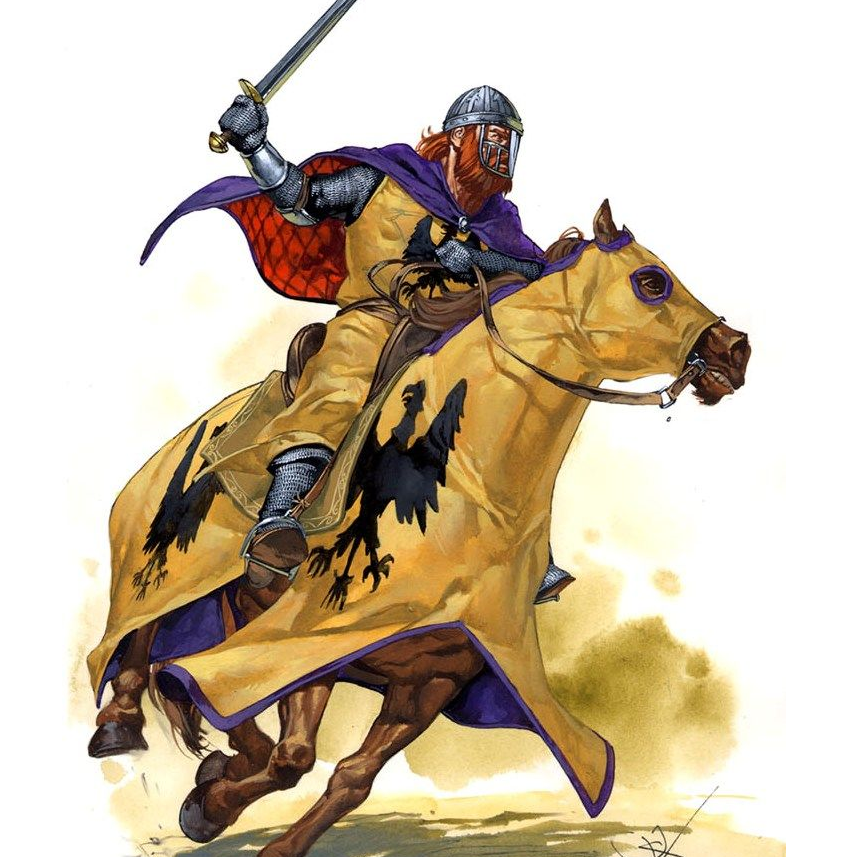
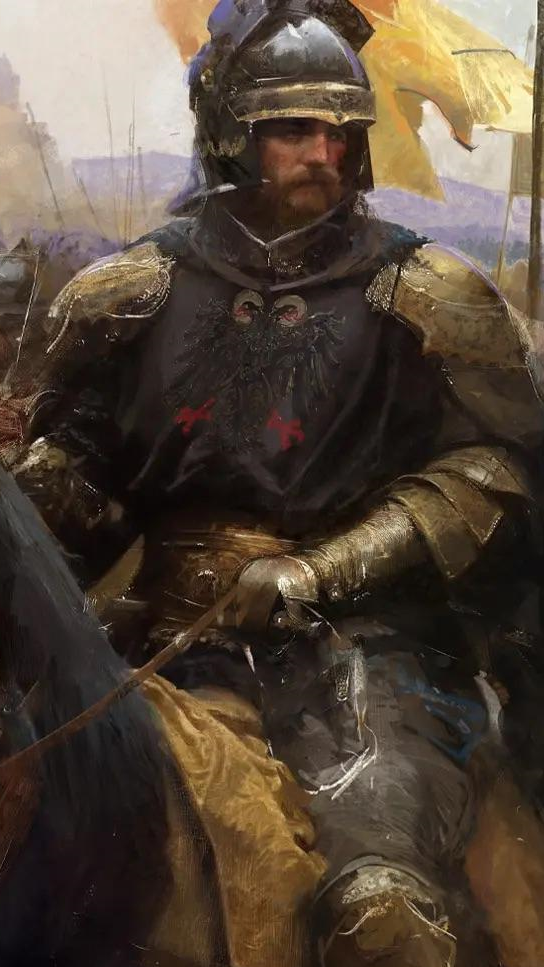
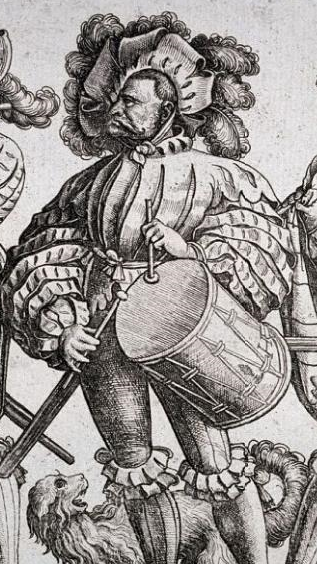
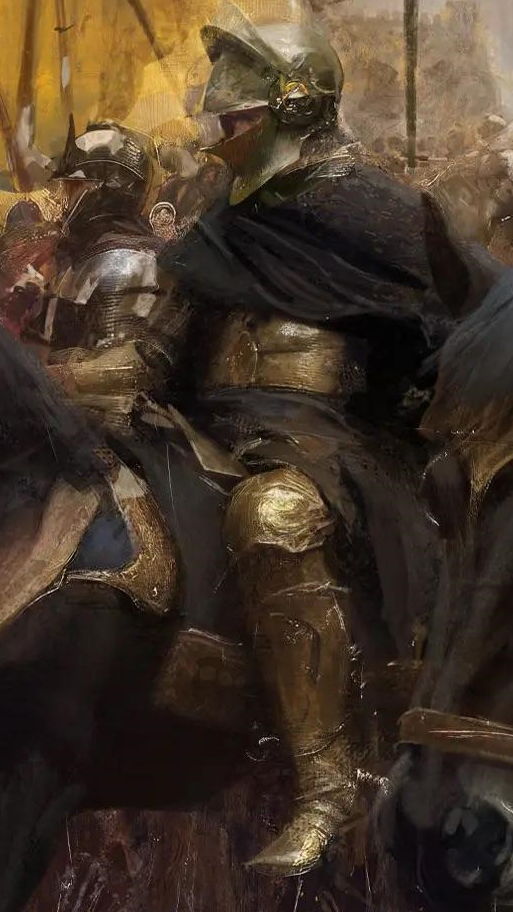
The Empire’s military structure was fragmented, reflecting its political decentralization. Unlike centralized states, the Emperor relied on vassals, such as princes and dukes, to provide troops in times of war. This created a highly variable military force, with regions contributing different levels of manpower and resources.
Throughout its history, the Empire was engaged in external conflicts, such as fighting Magyar invaders in the 10th century and Ottoman Turks in the 16th century. However, internal conflicts, particularly between rival nobles and religious factions, were equally destructive.
The Thirty Years' War
The Thirty Years' War (1618–1648) was a defining moment in the Empire’s military history. Initially a religious conflict between Protestant and Catholic states, it escalated into a wider European war involving many foreign powers. The war devastated large parts of the Empire, causing immense economic and social damage, and weakened the central authority of the Emperor, leaving the Empire in a fragmented state.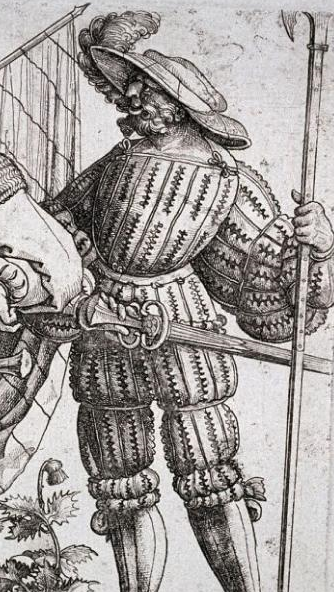
Governance and Political Structure of the Holy Roman Empire
The governance of the Holy Roman Empire was complex and decentralized. The Emperor was the nominal head of the Empire, but his power depended on alliances with regional rulers, such as kings, dukes, and princes. These rulers were largely autonomous, and many areas of the Empire functioned almost like independent states.
The Emperor was elected by the Prince-electors, a group of noblemen and clergy who wielded considerable power. The Imperial Diet (Reichstag), made up of representatives from the various regions, acted as the Empire’s legislative body, though its decisions were often difficult to enforce.